ABS Pipe vs PVC: Choosing the Right Plumbing Solution
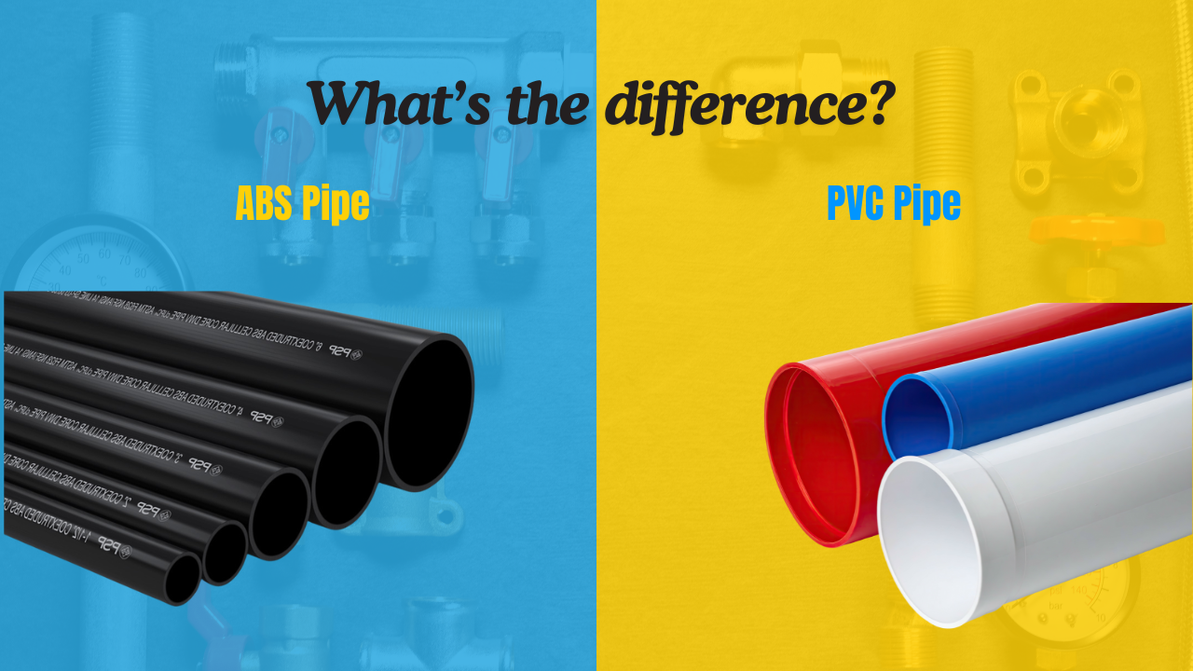
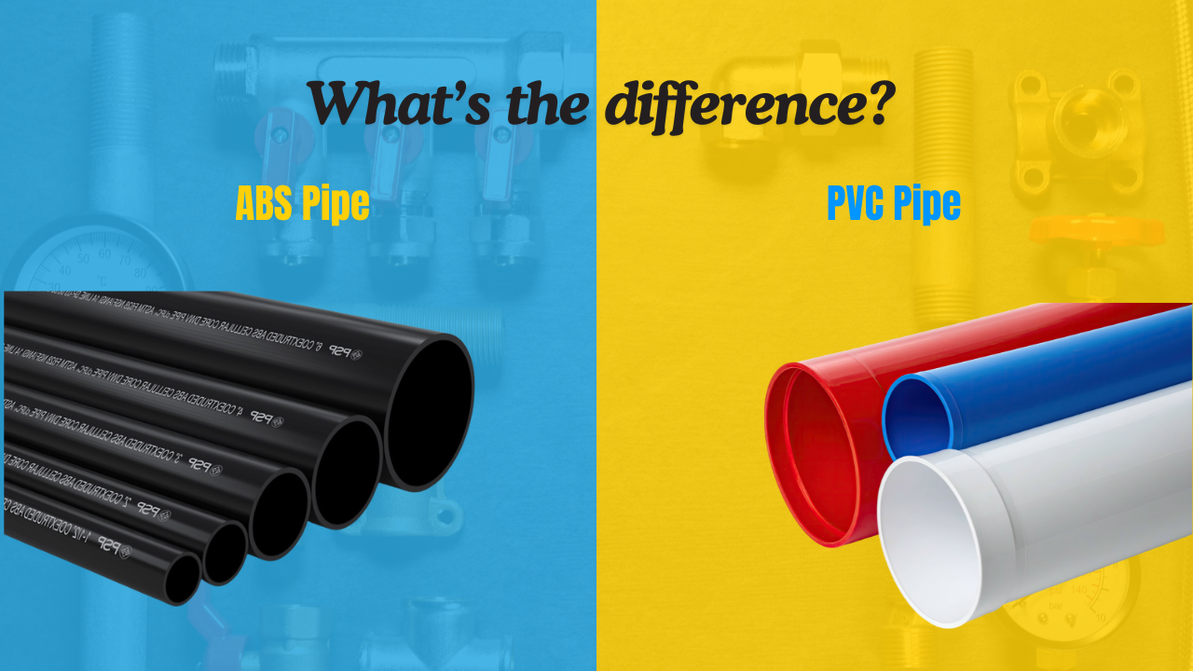
ABS pipe vs PVC pipe are two of the most common plastic piping options in plumbing today. ABS (Acrylonitrile Butadiene Styrene) is a strong, impact-resistant thermoplastic typically used for drain, waste, and vent (DWV) systems, helping remove wastewater and vent gases from plumbing systems. PVC (Polyvinyl Chloride) is a rigid, versatile plastic used for DWV systems, potable water supply, irrigation, and some HVAC applications, offering chemical resistance and long-term durability.
In this article, we take a deep dive into ABS pipe vs PVC pipe, exploring material properties, installation differences, safety factors, noise, durability, and more, so you can make the right choice for your plumbing needs.
ABS vs PVC: Side-by-Side Comparison
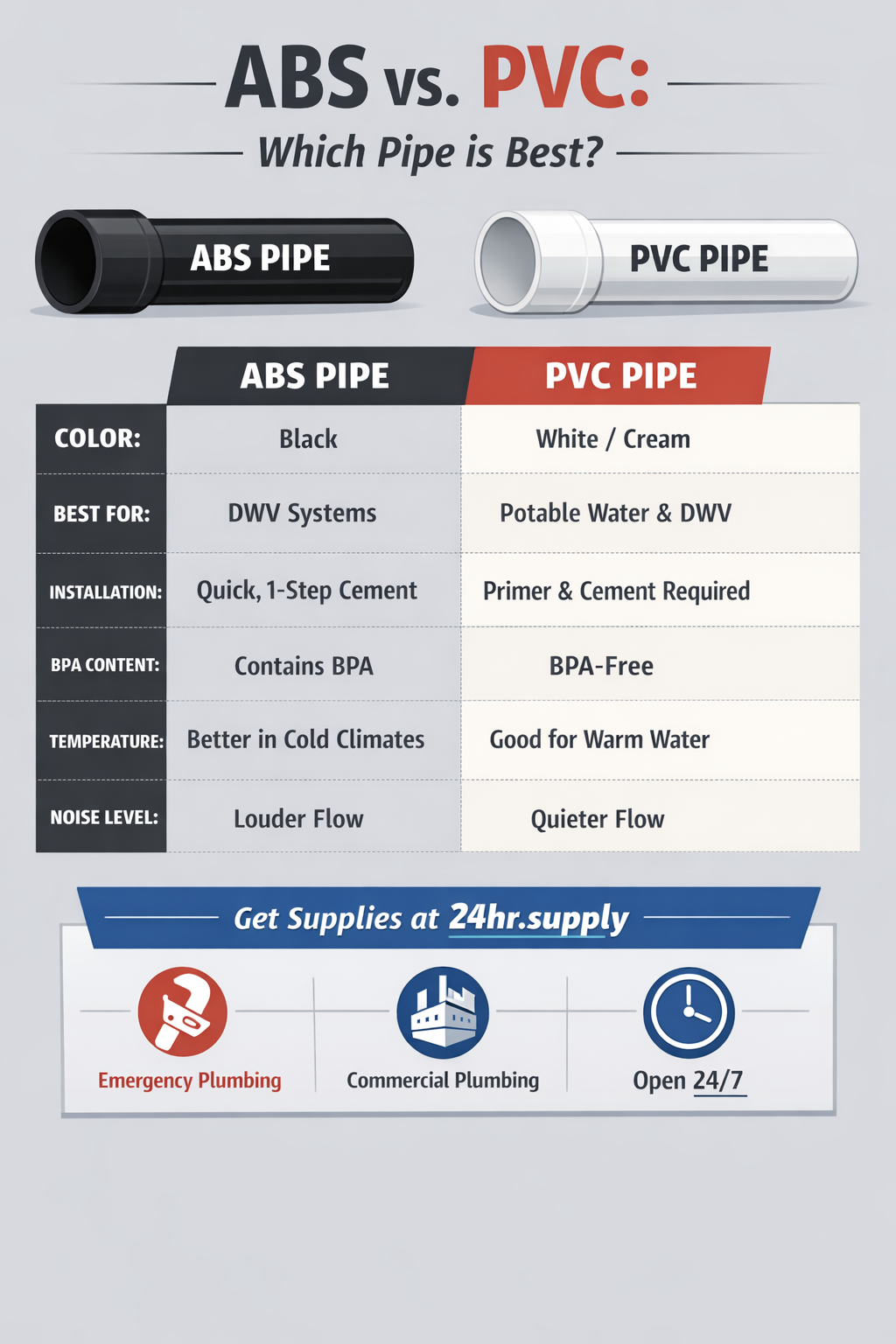
Both materials are lightweight, cost-effective, and widely available, but each has unique characteristics that make it better suited for certain projects.
A Brief History of Plastic Plumbing Pipes
| Feature | ABS Pipe | PVC Pipe |
|---|---|---|
| Color | Black | White or cream |
| Primary Use | DWV systems | DWV, potable water, irrigation |
| Temperature Resistance | Better for cold water | Better for moderate water temps |
| Chemical Resistance | Resistant to many chemicals | Resistant to more chemicals, safe for drinking water |
| Installation Process | Solvent cement | Solvent cement, requires purple primer for some pipe connections |
| Cost | Slightly higher | More affordable |
| Code Compliance | Accepted in most regions, limited in freshwater applications | Widely accepted across most codes |
| Noise | Louder water flow | Better noise reduction |
A Brief History of Plastic Plumbing Pipes
Before the 1980s, lead pipes were commonly used in plumbing systems. In 1986, lead piping was banned due to corrosion and the risk of lead contamination. Plastic pipes quickly replaced lead as a safer, lighter, and more cost-effective option to adhered to international and local regulations.
Today, ABS and PVC are the two primary plastics used in plumbing, each offering unique advantages for different types of projects.
What Is ABS Pipe?
ABS pipe is a black, rigid plastic made from acrylonitrile, butadiene, and styrene. It is commonly used for drain, waste, and vent (DWV) systems. ABS is durable, impact-resistant, and easy to install, making it ideal for both residential plumbing and commercial applications.
Key Features of ABS Pipe
- Durable and impact resistance: Withstands physical stress and rough handling.
- Temperature tolerance: Performs well in cold conditions but is less suitable for hot water.
- Easy installation: The connection process involves using a special cement called solvent cement for quick bonding.
- Versatile: Can be shaped for tight spaces and curved piping needs.
Common Uses
- Sewer and DWV lines
- Non-potable water systems
- Underground plumbing
What Is PVC Pipe?
PVC pipe is a white or cream-colored rigid plastic made from polyvinyl chloride. It is versatile, safe for potable water, and widely accepted by building codes across the United States. PVC can be used for DWV, potable water supply, irrigation, and some HVAC applications.
Key Features of PVC Pipe
- Chemical and corrosion-resistant: Ideal for potable water and commercial plumbing.
- Lightweight: Easy to transport and handle.
- Temperature tolerance: Handles temperature fluctuations well: cold and moderately warm water.
- Durable: Resistant to scaling, rust, and corrosion over time.
Common Uses
- Potable water lines
- Sewer and drainage systems
- Irrigation systems and HVAC applications
Safety, BPA, and Health Considerations
ABS contains bisphenol A (BPA), which strengthens the material. While studies have not shown proven risks to humans from plumbing pipes, some consumers prefer to avoid BPA exposure in drinking water systems. PVC is BPA-free, making it a safer choice for potable water lines and projects where chemical exposure is a concern.
Installation and Practical Considerations
ABS pipes offer a quicker installation because they connect with a single-step solvent cement. PVC requires more preparation: pipe ends must often be primed, dried, and then bonded with cement, which can take additional time. ABS is also easier to cut and handle in cold climates. PVC is harder to cut and more brittle, but offers greater versatility for water supply and commercial projects.
Temperature and Impact Performance
- ABS: Performs well in extreme cold and moderate heat. Impact-resistant and less likely to crack during installation.
- PVC: Suitable for cold and warm water, but can warp or soften under high heat. More brittle than ABS, requiring careful handling.
Noise Considerations
Water flowing through ABS pipes tends to be louder, while PVC provides better sound insulation, which is often preferable in residential homes or quiet commercial spaces.
Choosing the Right Pipe for Your Project
- DWV systems or cold environments: ABS pipe is highly durable and easy to install.
- Potable water and versatile plumbing: PVC pipe is BPA-free, widely accepted, and cost-effective.
- Commercial plumbing projects: PVC is often preferred due to code compliance and chemical resistance.
Always consult local plumbing codes, building standards, and a licensed professional for commercial installations.
Final Thoughts: Get Reliable Plumbing Supplies
Both ABS and PVC offer reliable performance when used correctly. Choosing the right pipe depends on your remodeling project type, local code restrictions, local building regulations, chemical safety concerns, and installation preferences.
For fast, reliable, and 24 hour plumbing supply, check 24hr.supply. We provide plumbing supplies, whether PVC or ABS, and expert guidance to help you select the right pipe for your project.
Recent Posts
-

Approximate Cost to Install New Plumbing
The approximate cost to install new plumbing in the United States ranges from $7,000 to $15,000 for …Mar 9th 2026 -
Quick Fixes for a Gurgling Kitchen Sink
A gurgling kitchen sink can be quite a nuisance since it makes such an annoying noise. It usually si …Feb 26th 2026 -
ABS Pipe vs PVC: Choosing the Right Plumbing Solution
ABS pipe vs PVC pipe are two of the most common plastic piping options in plumbing today. ABS (Acryl …Feb 24th 2026