The Complete Guide to Hydro Jetting Cost: Is it Worth It?
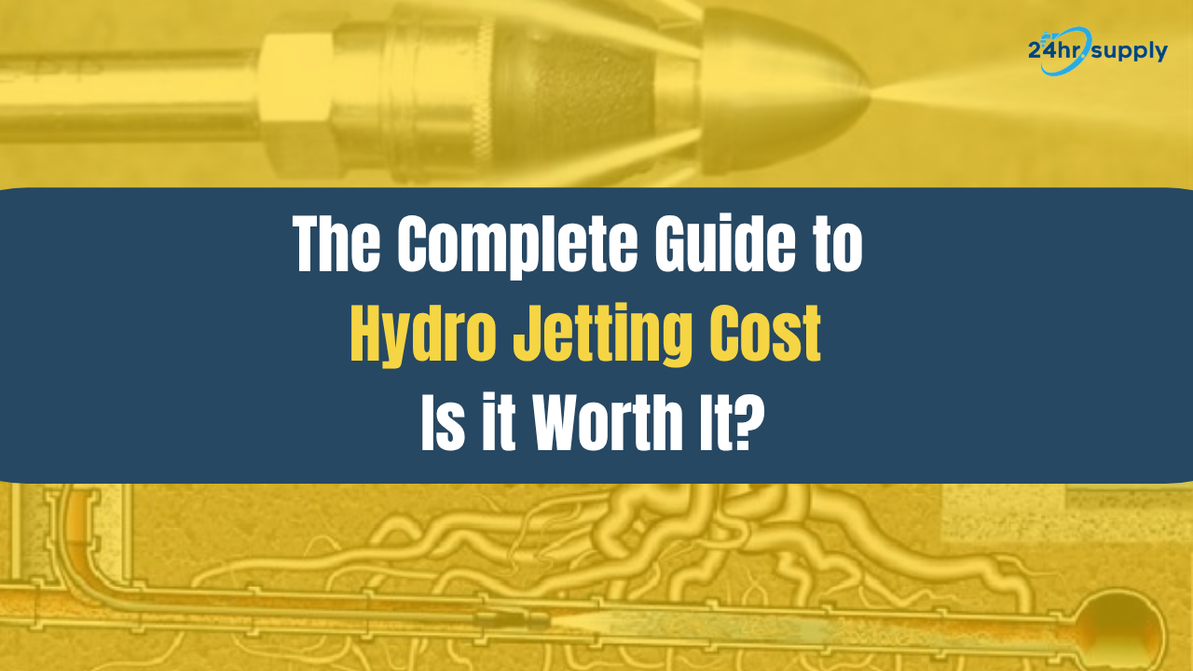
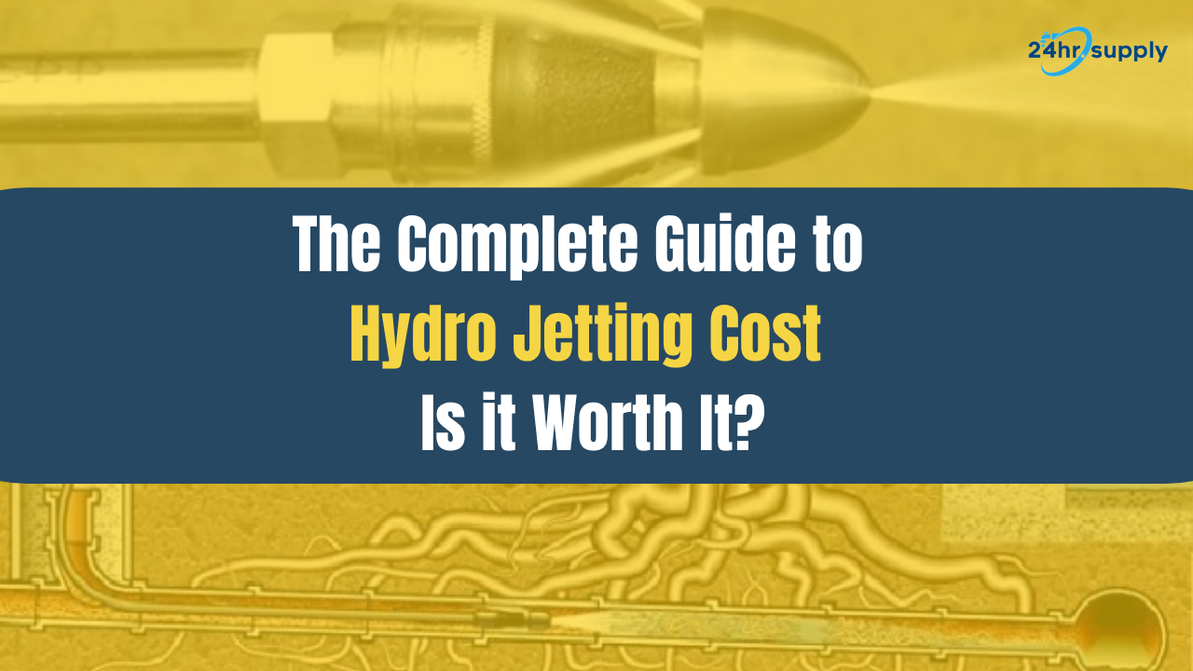
Hydro jetting is a non-invasive and highly effective cleaning method that uses high-pressure water to thoroughly scrub the inner walls of pipes. Unlike traditional methods, it removes buildup at the source, helping prevent recurring clogs and long-term damage.
For residential properties, hydro jetting typically costs between $350 and $900, while commercial systems often start at around $1,000 due to their larger scale and complexity.
In this article, we’ll break down how hydro jetting works and what factors influence its overall cost.
Cost Breakdown: Residential vs. Commercial Scenarios
The price of hydro jetting varies significantly based on the scale of the plumbing system and the severity of the obstruction.
Below, we is a detailed breakdown of what to expect on an invoice in 2026.
| Service Type | Typical Cost Range | What Is Included? |
|---|---|---|
| Residential Branch Line | $300 to $550 | Set up, jetting one 2-inch line (kitchen or laundry), and a flow test. |
| Residential Sewer Main | $450 to $950 | Jetting the 4-inch main line from the house to the city tap or septic tank. |
| Commercial Grease Line | $600 to $1,200 | Specialized degreasing of lines for restaurants or food processing plants. |
| Industrial / Multi-Unit | $1,500 to $3,000+ | Large-scale jetting for apartment complexes or municipal mainlines. |
What is Hydro Jetting and How Does it Work?
Hydro jetting is a non-invasive cleaning method that uses high-pressure water (typically between 3,000 and 4,000 PSI) to scrub the internal walls of a pipe.
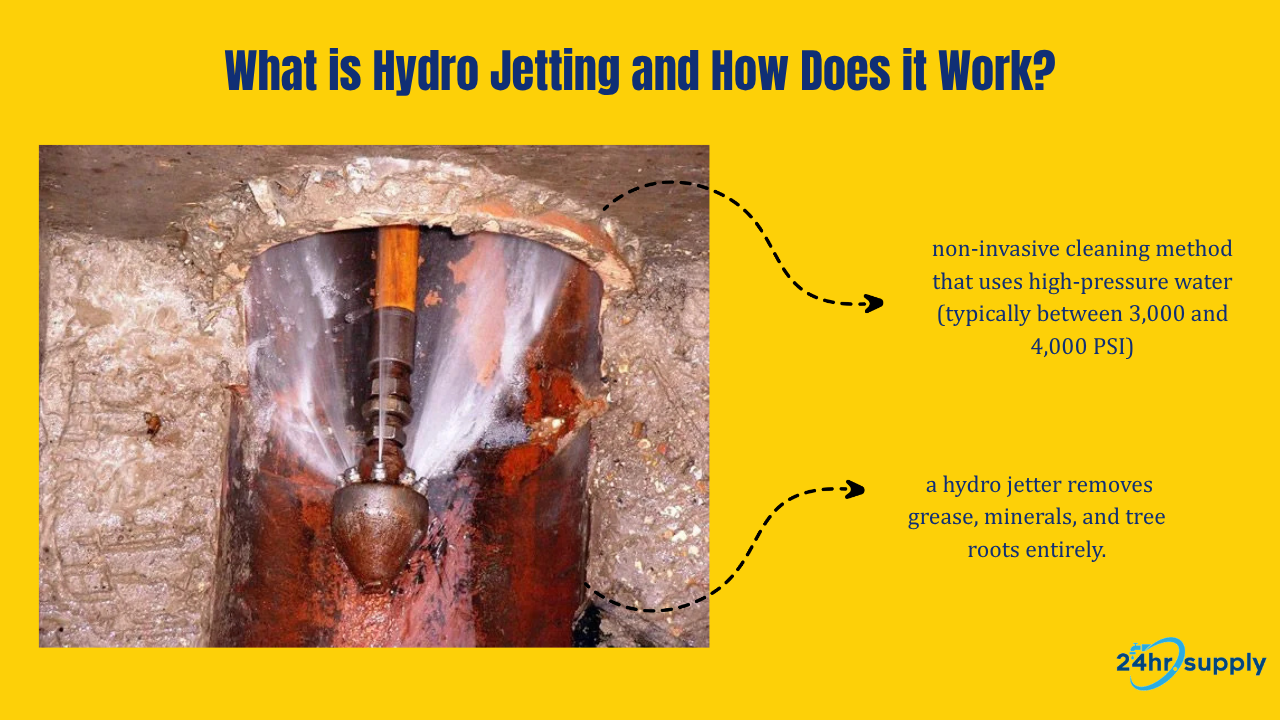
This is considered a much more effective method for cleaning because, unlike a mechanical snake that simply punches a hole through a clog, a hydro jetter removes grease, minerals, and tree roots entirely.
In fact, professional plumbers often refer to this as "scouring" the line.
Now that we have established that, let's take a closer look at how much hydro jetting can cost you.
Key Factors That Influence Prices
Although we have given a breakdown of how much hydro jetting can cost, there are still some factors that can potentially affect the price.
1. Pipe Diameter and GPM Requirements
Pressure (PSI) is only half of the equation. Volume (Gallons Per Minute or GPM) is what actually flushes the debris out. A residential portable jetter might use 2 to 5 GPM, while a commercial plumbing supplies distributor would provide trailer-mounted units capable of 18 to 25 GPM for 8-inch or 12-inch mains. Higher GPM requirements lead to higher equipment rental or service fees.
2. Accessibility and Cleanouts
The International Code Council (ICC) requires cleanout access at specific intervals. If a technician can easily connect to an exterior ground-level cleanout, the labor cost stays low. If they must remove a toilet, work from a rooftop vent, or dig to find a buried cleanout, expect the price to increase by $200 to $500.
3. Type of Blockage and Nozzle Selection
Not all clogs are created equal. A simple "soft" clog of paper or soap residue is cleared quickly. However, calcified scale or invasive tree roots require specialized "warthog" or "rotary" nozzles. Professional plumbers often source these from a plumbing supply store online to ensure they have the right tool for the pipe material, whether it is PVC, cast iron, or old clay.
4. Essential Add-Ons: Video Inspections and Permits
Most reputable companies include a "pre- and post" camera inspection. While this adds approximately $150 to $300 to the bill, it is highly recommended to make sure the service you availed is really good.
You would want to be really sure that the pipe was not damaged during the cleaning process.
In commercial settings, this footage is often required to prove compliance with NFPA 96 (Standard for Ventilation Control and Fire Protection of Commercial Cooking Operations) or local health department mandates.
In some municipal cases, if the jetting involves working on a shared sewer lateral, a temporary permit may be required by local city code, which can add a small administrative fee to the total.
Is Hydro Jetting Worth the Investment?
Now comes the real question: is it worth it?
While the upfront cost is higher than a standard $150 snaking service, the ROI (Return on Investment) is superior.
A snake is a temporary fix that leaves the "walls" of the pipe sticky, leading to a new clog within months.
Hydro jetting, on the other hand, restores the pipe to its original flow capacity, often lasting 18 to 24 months before another cleaning is needed.
Of course, prevention is always key. For businesses, scheduled preventative jetting is the best way to avoid a "Friday night backup" that forces a shutdown. For homeowners, it is the most effective way to protect the long-term integrity of their sewer system.
Final Thoughts
Hydro jetting is truly one of the most sophisticated plumbing solution that balances high-pressure technology with code compliance. By understanding the variables of GPM, access points, and nozzle types, you can choose a service that provides the best long-term value for your property.
Are you looking to stock up on professional-grade nozzles or need 24 hour plumbing supply parts for an upcoming project? Visit 24hr.supply today to browse our full inventory of commercial plumbing supplies and tools.
Recent Posts
-

The Complete Guide to Hydro Jetting Cost: Is it Worth It?
Hydro jetting is a non-invasive and highly effective cleaning method that uses high-pressure water t …Apr 10th 2026 -
How Much Does It Cost to Hydro Jet a Sewer Line?
Hydro jetting a sewer line typically costs between $300 and $800 for most homes, while more severe c …Mar 27th 2026 -
What Is PEX Plumbing? A Practical Guide for Homeowners and Pros
PEX plumbing is a system that uses flexible cross-linked polyethylene tubing to deliver water in res …Mar 27th 2026