Important Factors To Consider When Buying Sewage Pumps
Adequate sewage pumps are essential for carrying away wastewater and keeping a building’s plumbing system moving. To ensure the new sewage pump you buy will provide years of reliable service, consider these important factors during the selection process.
Type of Pump
When it comes to efficient sewage pumps, there are two main styles:
- Conventional sewage pump: Utilizes a wet well and a dry well. Its goal is to pump waste liquids that also contain soft solids.
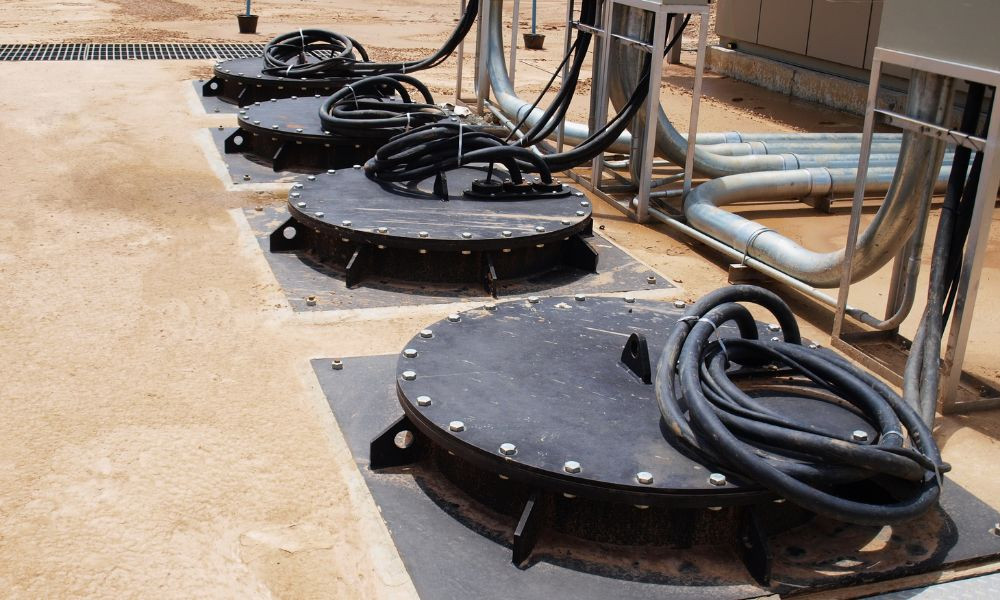
- Submersible pump: Goes directly into the wastewater in the wet well to pump out waste. Submersible pumps feature heavy-duty motors to do their job and don’t require a dry well.
Capacity
How much waste do you want your sewage pump system to handle at once? As you shop for pump systems, look at the specifications and compare them to the home you’re working on. What’s the liquid flow rate in gallons per minute (GPM) of the current plumbing system? How large are the pipes?
If you install a sewage pump with low GPM, it may be a lower cost upfront. However, it’ll have to run more consistently and may not last as long as a pump with slightly higher GPM and horsepower.
Type of Solids
Wastewater pump systems are generally required to handle a variety of different solids—not just human waste but cleansing wipes and tissues as well. How much solid waste does the house generate?
Look for pumps that advertise themselves as “solids-handling.” Plenty of rotodynamic sewage pumps are strong enough to pump out a variety of softer solids.
Temperature
When choosing a new sewage pump, think about the temperature of the fluid that flows through those pipes. Will the new system be able to handle hot wastewater?
A pump that is not made to handle higher temperatures can form cavities or bubbles when trying to pump hot liquid. This process, called cavitation, can damage pump components and shorten the lifespan of the system.
When buying a sewage pump, consider these important factors as you look at each pump system’s specifications. An inadequate pump can break down prematurely under the pressure of too much wastewater. However, the right pump system can get a house’s plumbing system working more cleanly and effectively.
Recent Posts
-

How to Prime a Grundfos Pump: Step-by-Step Instructions for Homeowners
If your pump is running but the tap is still dry, switch it off before checking whether it needs pr …Oct 12th 2026 -
How Does a Grundfos Pump Work? Types, Controls, and Everyday Uses
Grundfos centrifugal pumps work through an electric motor that turns an impeller, transfers energy t …Oct 12th 2026 -
Gruvlok vs. Victaulic: Key Differences in Couplings, Fittings, and Performance
A contractor, estimator, engineer, or buyer may find one grooved piping brand listed in the project …Sep 15th 2026