What Is Cavitation? A Practical Guide to Protecting Your Water Pump System
You may have seen cavitation mentioned in a pump manual or heard it during a discussion about poor performance. It gives you something to investigate, though the term alone tells you little about your particular installation.
So, what is cavitation, and where should you start?
In this guide, we’ll explain water pump cavitation and the checks that help you understand what needs attention before you change anything.
TL;DR
- Cavitation forms when liquid pressure falls below vapor pressure. Bubbles then collapse as pressure rises.
- Common causes include inlet restrictions, low tank levels, excessive suction lift, unsuitable operation, and warmer liquid.
- Signs include reduced flow, vibration, and gravel-like noise. Diagnosis needs inlet checks against manufacturer requirements.
- Repeated collapse can erode internal parts and eventually cause pump failure.
- Fix the confirmed cause and follow manufacturer requirements. Hot, pressurized equipment needs appropriate precautions.
- Prevent recurrence through routine checks and suitable inlet conditions.
- 24hr Supply offers technical product support and component options. Replacement pumps need assessment and correct sizing before you order one.
What Is Cavitation in a Water Pump?
Cavitation in a water pump happens when local liquid pressure falls below vapor pressure, so vapor bubbles form and can collapse as pressure rises. Vapor pressure is the pressure at which a liquid begins to vaporize at its current temperature.
Pressure is central to the cavitation meaning because water can vaporize at lower temperatures under reduced pressure. Around the impeller, bubbles can form in a low-pressure region and then collapse farther along. These are vapor cavities, unlike air drawn through a leaking connection.
During pump cavitation, vapor can occupy part of a passage and disturb internal flow.
In a 2020 Johns Hopkins study , researchers used water-speed measurements to estimate pressure inside an axial waterjet pump. Average pressure along one side of a blade fell by more than 25% as performance breakdown began. This internal change appeared before a clear drop in the pump’s overall performance.
How to Assess and Correct Cavitation in Your Pump
Your pump model determines which operating limits apply. We recommend checking those limits alongside the conditions present when the problem occurs, so the assessment reflects what your equipment actually faces.
Here are the checks to work through.
What Causes Cavitation in Pumps?
Cavitation can develop when the installation reduces inlet pressure, or operation increases the pump’s suction requirements. A previously suitable setup can become troublesome as its conditions change.
These are the main factors:
- Restricted inlet flow: A blocked strainer or partly closed suction valve adds resistance. Long or undersized piping can also create excessive pressure losses before liquid reaches the pump.
- Limited source head: A falling tank level reduces the supply head. Excessive suction lift also leaves less available head at the inlet.
- Unsuitable operation: Flow or speed outside the appropriate operating range can increase suction requirements or create internal recirculation.
- Liquid temperature: Warmer liquid has a higher vapor pressure, so an installation may have less room for pressure reductions.
For example, imagine a pump that behaves normally with a full supply tank but develops a problem as the level falls. That change gives the technician a condition to investigate.
Pump Cavitation Detection and Warning Signs
Reduced flow or head can suggest cavitation, especially if the pump becomes unusually noisy or starts to vibrate. But wear or trapped air can cause similar symptoms, so our guide to common booster pump problems can help you check other possible causes.
A technician compares the installation’s available net positive suction head, NPSHA , with the manufacturer’s required value, NPSHR , at the actual flow and speed.
Available head accounts for inlet conditions above vapor pressure. Head expresses energy per unit weight, commonly in feet or meters, and the installation needs an appropriate margin. The comparison also accounts for liquid temperature.
The Hydraulic Institute’s July 2024 guidance defines NPSH3 through a test where cavitation reduces total head, or first-stage head in a multistage pump, by 3% . Its example shows the head falling from 200 feet to 194 feet , a six-foot reduction.
That is a performance test criterion. Cavitation can begin before that loss occurs, and manufacturer-specified NPSHR may exceed NPSH3.
We wouldn’t wait for that loss before investigating a suspected problem.
How Do You Fix Cavitation?
You fix cavitation by correcting the confirmed inlet or operating problem, with the appropriate action based on your pump model.
We recommend working through the assessment in this order.
- Stop suspected damaging operations: Before inspection, follow the manufacturer’s shutdown and isolation procedure. Avoid repeated restarts while the problem remains unexplained.
- Correct the identified supply or installation fault: Restore adequate liquid supply or address a confirmed obstruction. Piping changes need a review of the installation requirements.
- Review operation against the manufacturer’s limits: Have a suitable professional assess flow, speed, and required suction conditions before changing controls.
- Arrange further assessment if the problem persists: Suspected internal damage or recurring symptoms need closer investigation before the unit returns to service.
Closing the suction valve can worsen inlet conditions. Discharge throttling requires the right pump context and sufficient remaining flow for cooling and lubrication.
For model-specific checks, our Grundfos pump troubleshooting guide can help you work through the wider assessment.
Pump Cavitation Prevention Through Routine Checks
Once the original problem is addressed, keep a record of normal pressure and flow readings. Comparing later readings under similar conditions makes changes easier to spot. Review the setup after changes to demand or the supply arrangement, too.
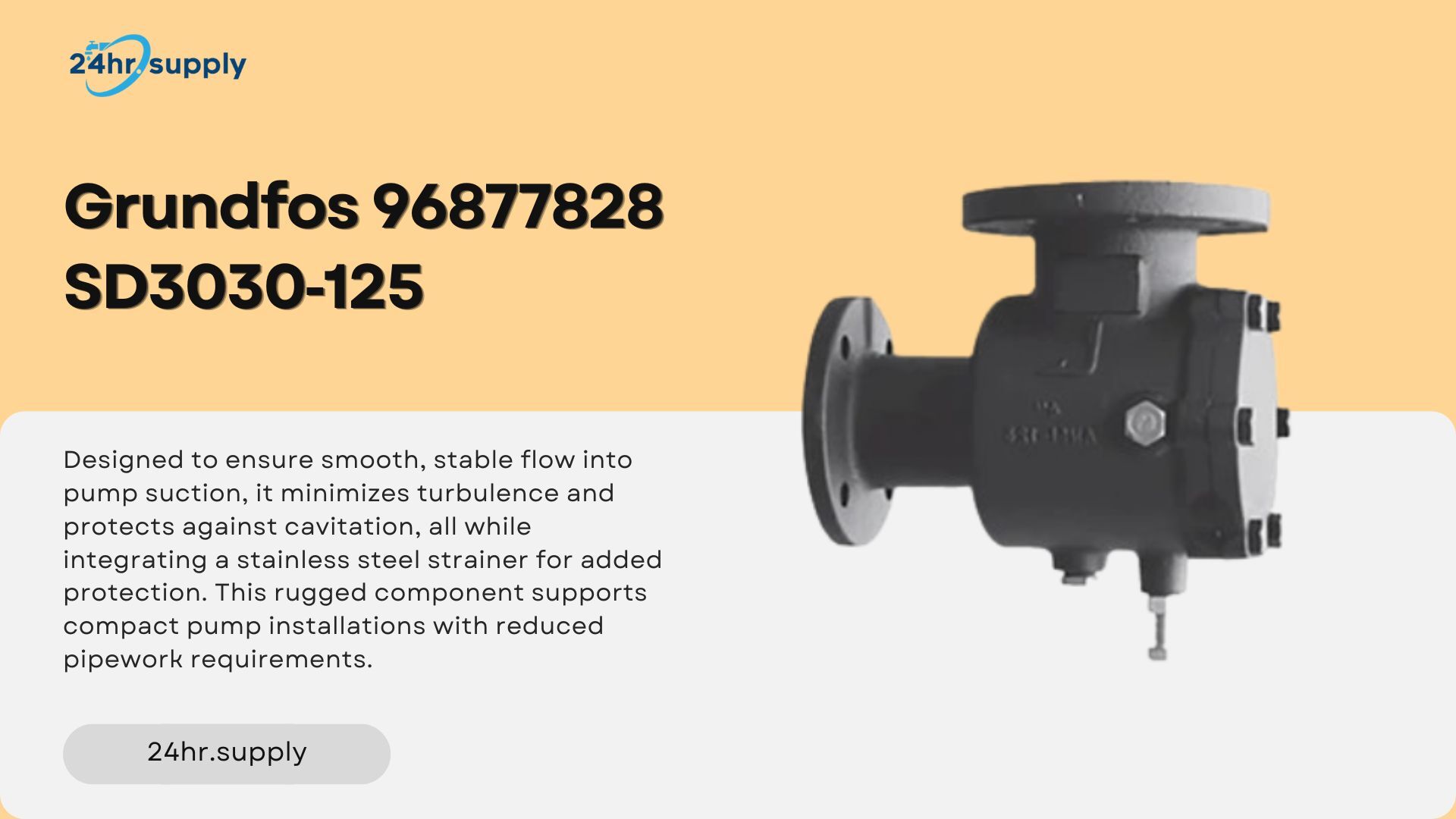
For a compatible commercial installation, a professionally selected Grundfos 3-inch suction diffuser can help provide uniform flow into the pump inlet. Selection must account for its pressure loss and connection requirements. The technical sheet includes a pressure-drop graph to support that assessment.
From there, use our booster pump maintenance checklist to organize routine inspections around the manufacturer’s schedule. Adjust inspection intervals to the application’s conditions. Keep the records with the equipment details so the next inspection has a useful starting point.
Find Suitable Pump Components at 24hr Supply
At 24hr Supply, we offer pump equipment and technical product support to help you compare options for an assessed installation. Our product pages include specification sheets, so you can review requirements before you order.
If an inlet component is needed, check its fit against the existing system. Where an assessment confirms that a pressure-boosting pump needs replacement, the Grundfos CMBE-1-44 booster pump is one option to consider.
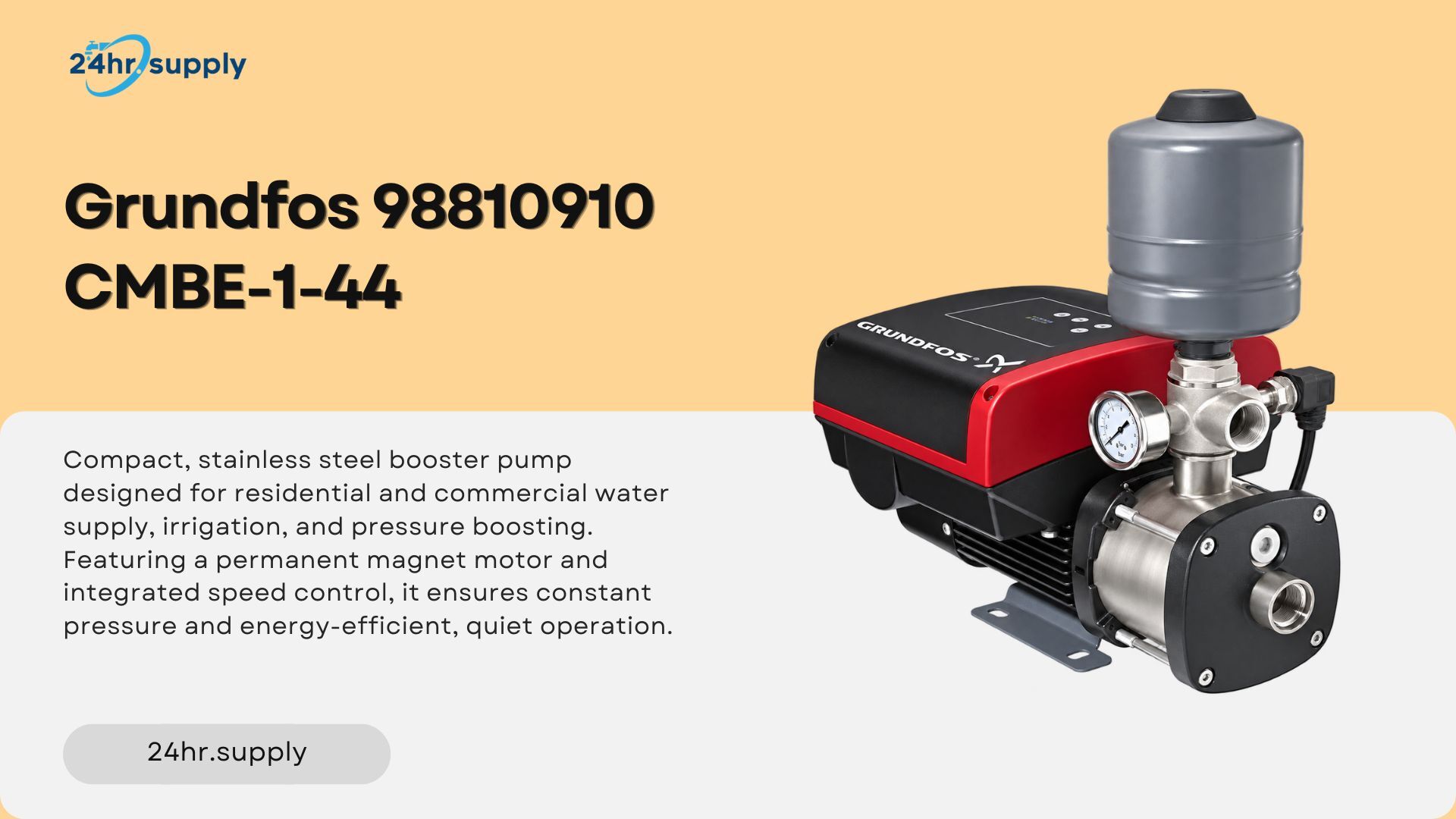
Its suitability depends on your water source and required duty, alongside voltage and connection requirements. Dry-run protection does not provide protection against cavitation. We can help with product questions, and you can enter your ZIP code on the listing for delivery estimates.
Conclusion
What is cavitation telling you about your system? The next decision should follow the assessed cause and your installation’s requirements, so any purchase addresses the actual problem.
Contact us today with your pump model and installation details, and we’ll help you choose suitable components for your system.
FAQs
Is Cavitation Dangerous?
Cavitation can be dangerous if a pump failure releases hot or pressurized liquid. We recommend having a qualified professional assess the problem before you open the pump housing or attempt electrical work.
Can Cavitation Damage a Pump?
Yes. Repeated bubble collapse can pit and erode internal surfaces. Pump cavitation damage can eventually lead to pump cavitation failure. Correcting the cause cannot restore metal already lost.
What Does Pump Cavitation Sound Like?
It usually sounds like gravel rattling inside the pump. You may also hear crackling or popping. Similar noises can have other causes, so sound alone cannot confirm cavitation.
Recent Posts
-

What Is Cavitation? A Practical Guide to Protecting Your Water Pump System
You may have seen cavitation mentioned in a pump manual or heard it during a discussion about poor p …Oct 19th 2026 -
How to Prime a Grundfos Pump: Step-by-Step Instructions for Homeowners
If your pump is running but the tap is still dry, switch it off before checking whether it needs pr …Oct 12th 2026 -
How Does a Grundfos Pump Work? Types, Controls, and Everyday Uses
Grundfos centrifugal pumps work through an electric motor that turns an impeller, transfers energy t …Oct 12th 2026