How Much Does It Cost to Replace a Hot Water Heater?
There are plenty of reasons you might start thinking about replacing your hot water heater. Maybe your showers turn cold too quickly, your unit starts leaking, or your energy bill suddenly spikes. Whether your hot water system in itself is failing or maybe ready for an upgrade, you have stumbled into the right article!
In 2026, most homeowners can expect to pay between $600 and $3,900 for a full replacement, depending on the type of system and installation complexity. However, costs can go higher with upgrades or conversions.
That is why we created this guide that breaks down real costs, labor details, and expert insights so you can plan your budget with confidence.
Average Cost to Replace a Hot Water Heater
Let us first talk about how much an actual hot water heater is.
Total Installed Cost
- Tank water heater: $600 to $2,500
- Tankless water heater: $1,400 to $3,900
These estimates include both the unit and professional installation.
In many cases, labor alone can account for over half of the total project cost, especially when additional plumbing, electrical, or structural work is required.
Detailed Labor Cost Breakdown
Here are some estimated labor cost price ranges for a water heater replacement:
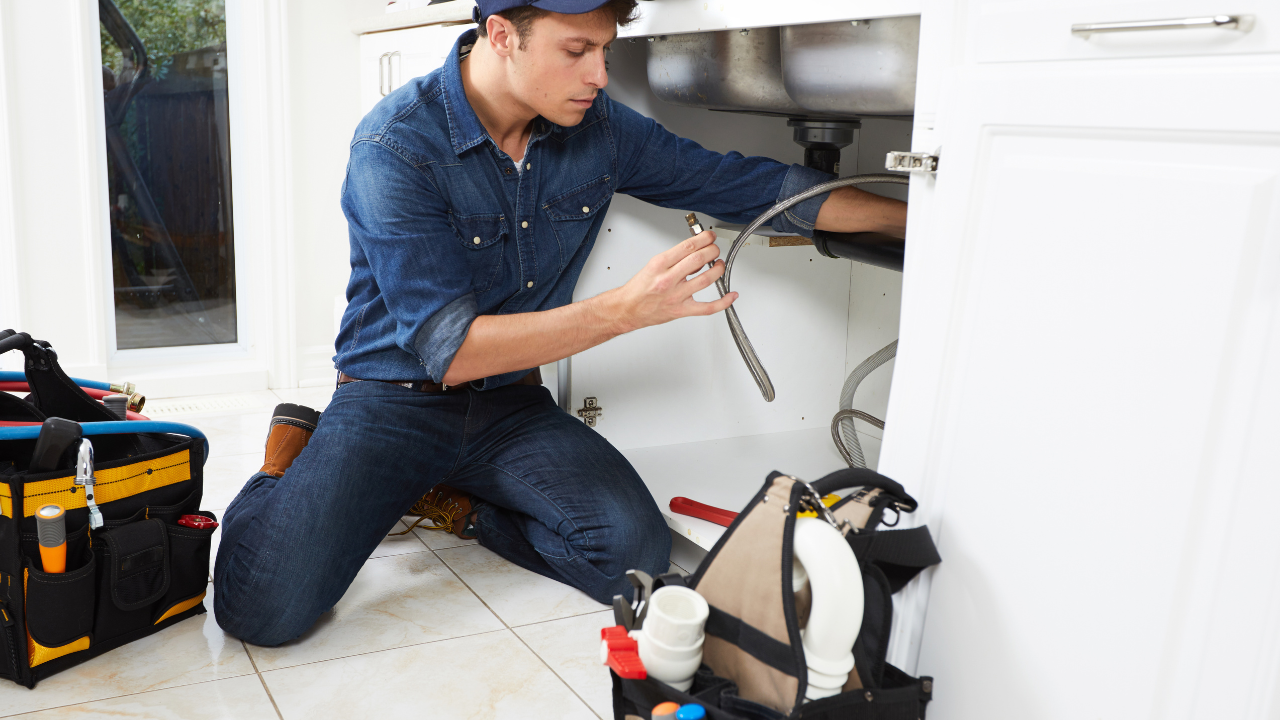
- Tank-style water heater: $150 to $450
- Tankless water heater: $600 to $1,900
- Switching from tank-style to tankless: $150 to $2,500
Tankless systems are typically more expensive to install, especially when replacing a traditional tank system, due to the additional labor involved.
Factors That Can Increase Labor Costs
We have discussed the baseline prices, but let's take a look at a few factors that can add to your total labor costs:
Location of Unit
If your water heater is installed in a hard-to-access area, such as a tight closet or up or down stairs, installation becomes more time-consuming and expensive.
Permits
The cost of required permits typically ranges from $25 to $300, depending on your city or state.
Geographic Area
Labor costs vary widely depending on your location. Urban and high-cost areas generally have higher installation rates.
Installation Complexity
This is where they say that the cost will depend on a case-by-case basis
Costs increase if your project requires:
- New gas or electrical lines
- Ventilation upgrades
- Relocating the unit
- Drywall or structural modifications
Additional Costs to Watch For
In our research, we also found "hidden costs" that can affect your bill. The list is limited, but here are the common items that can be labeled as "hidden costs".
- Plumbing upgrades: $200 to $1,000
- Electrical panel upgrades: $500 to $2,000
- Ventilation changes: $300 to $1,500
- Old unit removal: $50 to $200
Local building codes may also require safety features such as expansion tanks or proper venting, often aligned with recommendations from agencies like the U.S. Department of Energy.
Case Study: Tank to Tankless Upgrade
A homeowner replaced a failing 12-year-old tank water heater after dealing with inconsistent hot water and rising energy bills. They upgraded to a tankless system, with costs totaling $3,800, including $2,200 for the unit, $1,300 for installation with upgrades, and $300 for permits and disposal.
After the upgrade, they experienced lower monthly energy bills, unlimited hot water, and an increase in home value. The key takeaway is that while tankless systems require a higher upfront investment, they can deliver better efficiency and long-term performance.
DIY vs Professional Installation
Okay, we understand that seeing these costs can tempt you just to try and do it yourself to save a little money.
Although in hindsight, this is true! However, we gotta warn you a little. While DIY can reduce upfront costs, it often comes with serious risks.
Potential Savings
- Save $150 to $1,500 in labor
Risks of DIY Installation
Code Violations
DIY installations may not meet local plumbing or building codes, which can lead to fines, failed inspections, or required reinstallation.
Safety Hazards
Improper installation can cause:
- Gas leaks
- Carbon monoxide exposure
- Electrical issues
- Water damage or flooding
Permit Issues
Most cities require permits for water heater installation. Skipping permits can result in penalties and safety concerns.
Warranty Voiding
Many manufacturers require professional installation. DIY work can void your warranty.
Improper Placement
Installing a water heater in restricted areas such as bathrooms, bedrooms, or tight enclosed spaces can violate safety codes and create long-term risks.
The bottom line? Professional installation is usually the safest and most cost-effective choice over time.
Tank vs Tankless: Cost and Value
Tank Water Heater
Pros:
- Lower upfront cost
- Easier installation
Cons:
- Higher energy use
- Limited hot water supply
Tankless Water Heater
Pros:
- Energy-efficient
- Endless hot water
- Longer lifespan
Cons:
- Higher initial cost
- More complex installation
How Location Affects Cost
Your location plays a significant role in pricing:
- High-cost areas: Higher labor and permit fees
- Lower-cost regions: More affordable installation
- Local regulations: May require additional upgrades or inspections
Even within the same state, costs can vary depending on demand and contractor availability.
How to Save Money on Replacement
- Get quotes from multiple licensed contractors
- Look for rebates on energy-efficient systems
- Replace your unit before it fails completely
- Choose the right size to avoid overspending
Signs You Need to Replace Your Water Heater
- Rusty or discolored water
- Strange noises from the tank
- Leaks or pooling water
- Inconsistent temperatures
- Unit is over 10–15 years old
Ready to Upgrade Your Hot Water System?
Replacing a hot water heater typically costs between $600 and $3,900, but your final price depends on labor, installation complexity, and the system you choose. Cutting corners with DIY installation can lead to code violations, safety risks, and unexpected expenses that quickly add up.
If you want a smooth and cost-effective replacement, the best move is to work with professionals who understand the process from start to finish.
Ready to get started?
Visit https://24hr.supply/ to explore high-quality products, get expert guidance, and find everything you need to replace your hot water heater with confidence.
Recent Posts
-

How to Prime a Grundfos Pump: Step-by-Step Instructions for Homeowners
If your pump is running but the tap is still dry, switch it off before checking whether it needs pr …Oct 12th 2026 -
How Does a Grundfos Pump Work? Types, Controls, and Everyday Uses
Grundfos centrifugal pumps work through an electric motor that turns an impeller, transfers energy t …Oct 12th 2026 -
Gruvlok vs. Victaulic: Key Differences in Couplings, Fittings, and Performance
A contractor, estimator, engineer, or buyer may find one grooved piping brand listed in the project …Sep 15th 2026