


Blog
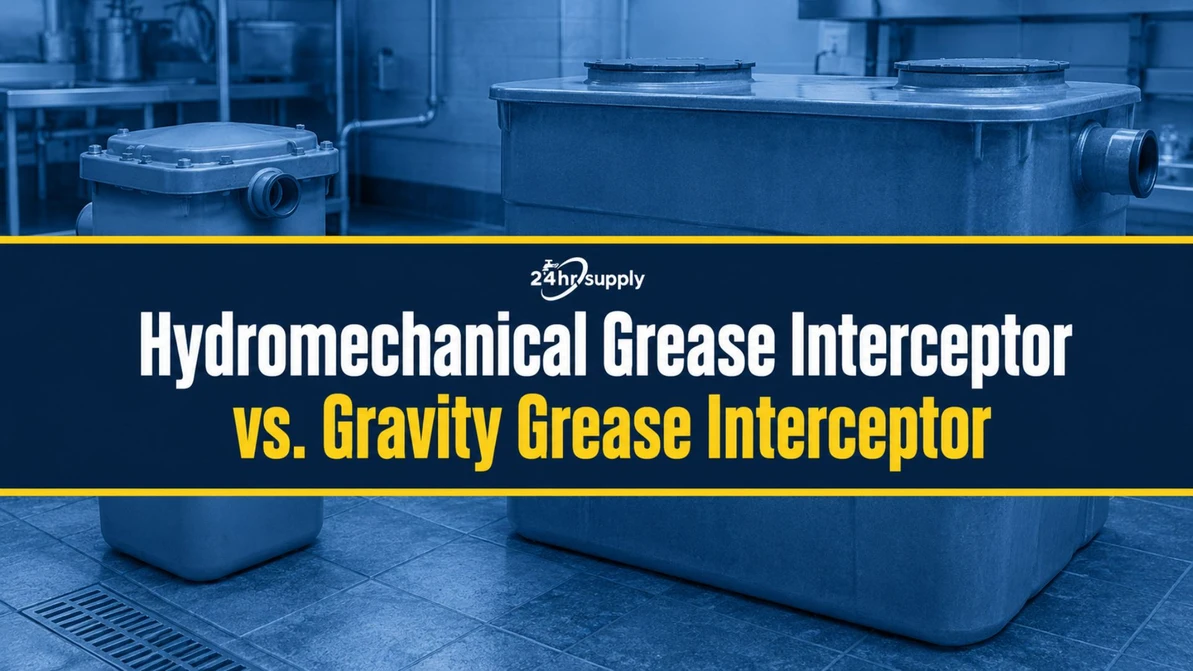
Hydromechanical Grease Interceptor vs. Gravity: How to Choose for a Kitchen
Grease interception may already be part of your commercial kitchen plan, yet choosing the right system can get confusing fast. Tank dimensions tell only part of the story.
One technology is commonly evaluated through wastewater flow and tested grease capacity, while the other relies more heavily on liquid volume, fixture load, and retention time. Apart from that, installation space and local plumbing requirements can shift the decision as well.
So, today, we’ll walk through how each system
…
Sep 3rd 2026
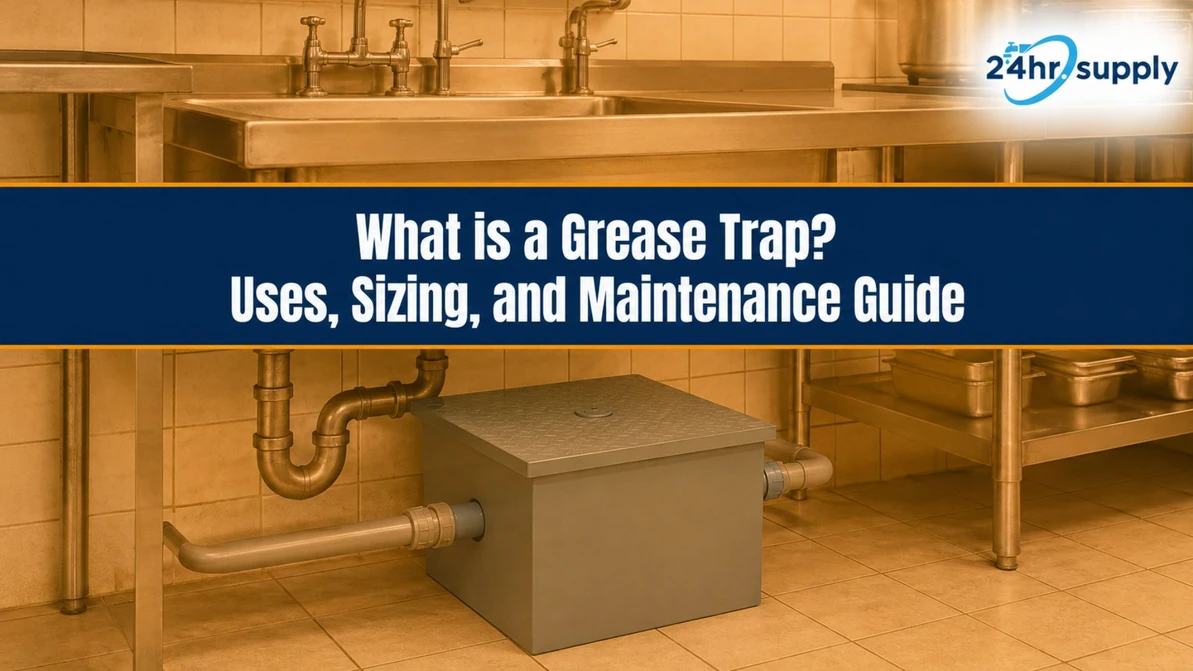
What Is a Grease Trap? How It Works and Why Commercial Kitchens Need One
Even when a commercial kitchen keeps fryer oil out of the sink, grease still finds its way into wastewater. Dishwashing, food prep, floor cleaning, and rinsing pans all send small amounts of fats, oils, grease, and food residue toward the drain.
So, what is a grease trap, and where does it fit into that process? It catches much of this material before wastewater moves farther downstream. We’ll explain how it works, sizing, plumbing, maintenance, and what to compare when choosing one.
What
…
Aug 27th 2026
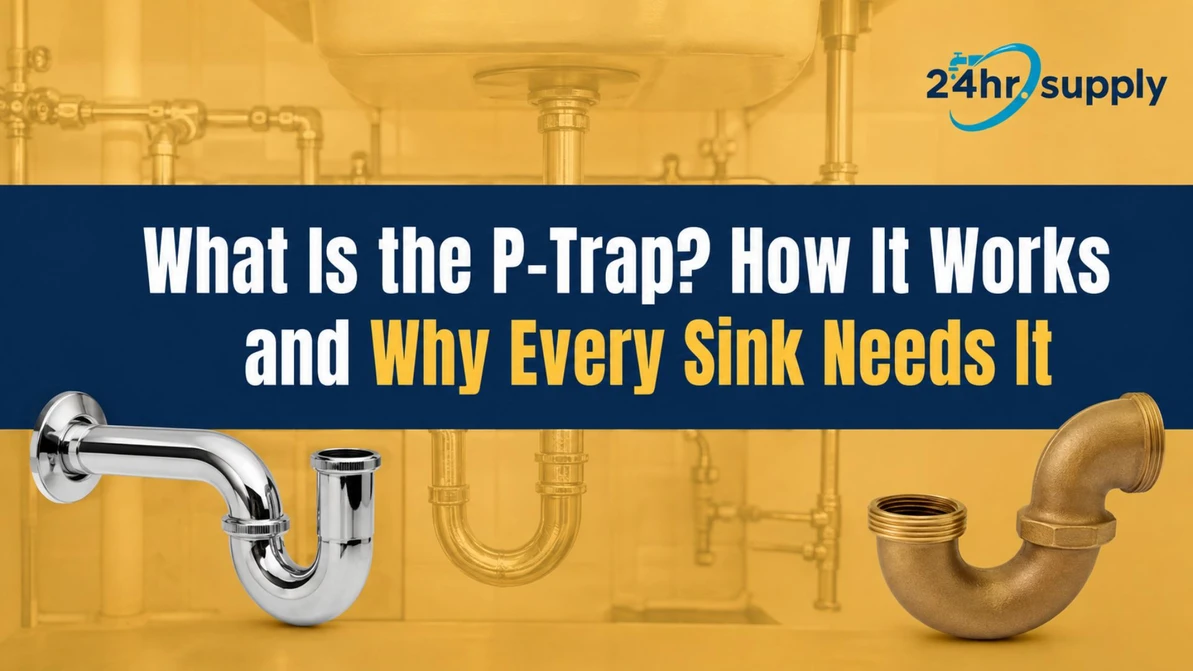
What Is the P-Trap? How It Works, Common Problems, Cleaning, and Replacement
You have probably seen the curved pipe beneath a sink, even if you never knew its name. That pipe is the P-trap. It helps wastewater leave the fixture and blocks sewer gases that could otherwise enter the room.
A damaged or clogged trap can cause leaks, odors, and slow drainage. For that reason, today we will explain how P-traps work, where plumbers use them, what can go wrong, how to clean one, and what to check before buying a replacement.
What Is a P-Trap, and What Is Its Purpose?
A P-trap is
…
Aug 27th 2026
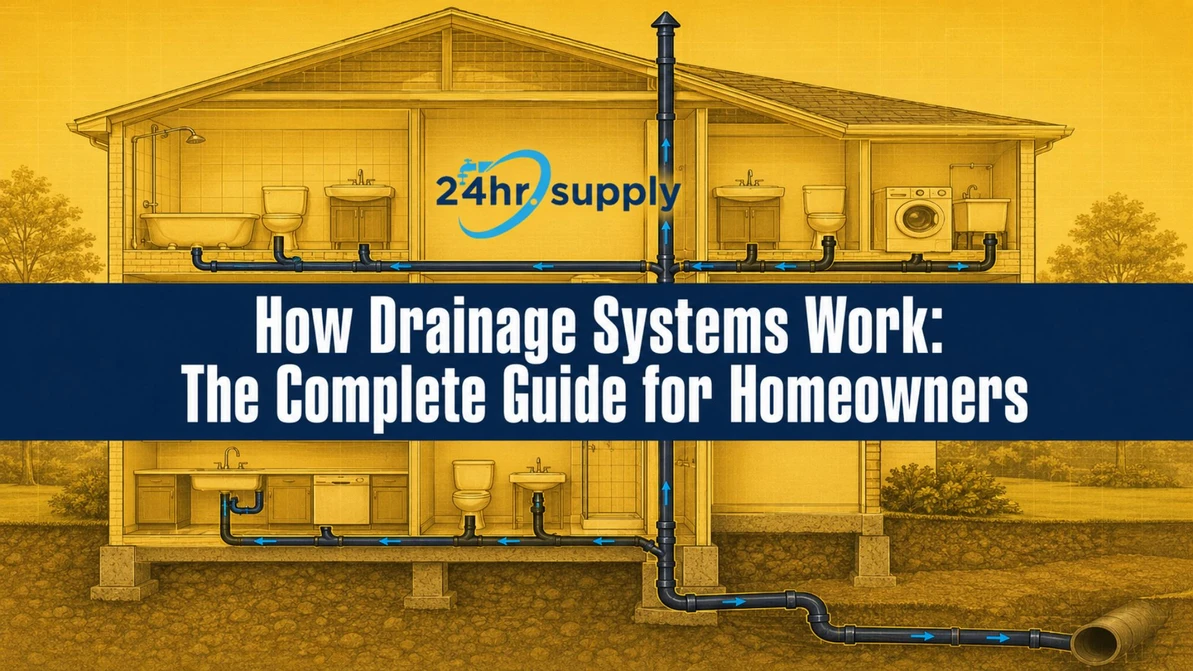
How Drainage Systems Work in a House From Each Fixture to the Main Sewer Line
Water disappears quickly after it leaves a sink, shower, toilet, or washing machine. Yet it still has a long route through traps, pipes, vents, and underground connections before it leaves the property.
Understanding that route can help you notice warning signs earlier and describe problems more clearly. So, in this guide, we’ll explain how drainage systems work, which components control the flow, the main residential system types, and basic ways to clear clogs.
What Is a House Drainage Sy
…
Aug 25th 2026
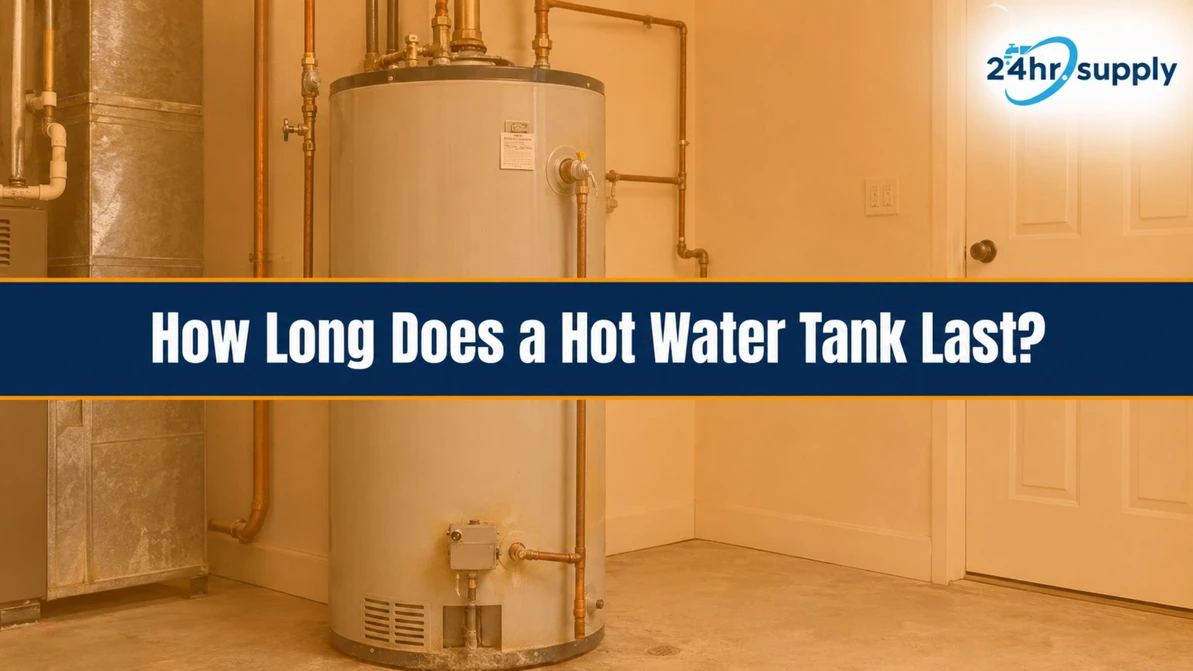
How Long Does a Hot Water Tank Last? Lifespan and Replacement Signs
A conventional hot water tank usually lasts 8-12 years. Some units fail earlier, while a sound tank with good care may keep working beyond that window. Age matters, but water quality, maintenance, tank construction, and daily use shape the real outcome.
That’s why we’ll break down these factors so you can estimate your tank’s remaining life and recognize when a repair or planned replacement makes sense.
Average Lifespan by Water Heater Type
Fuel type changes what wears out firs
…
Aug 20th 2026


